Outdoor lighting
Garden and outdoor lighting in Remuera
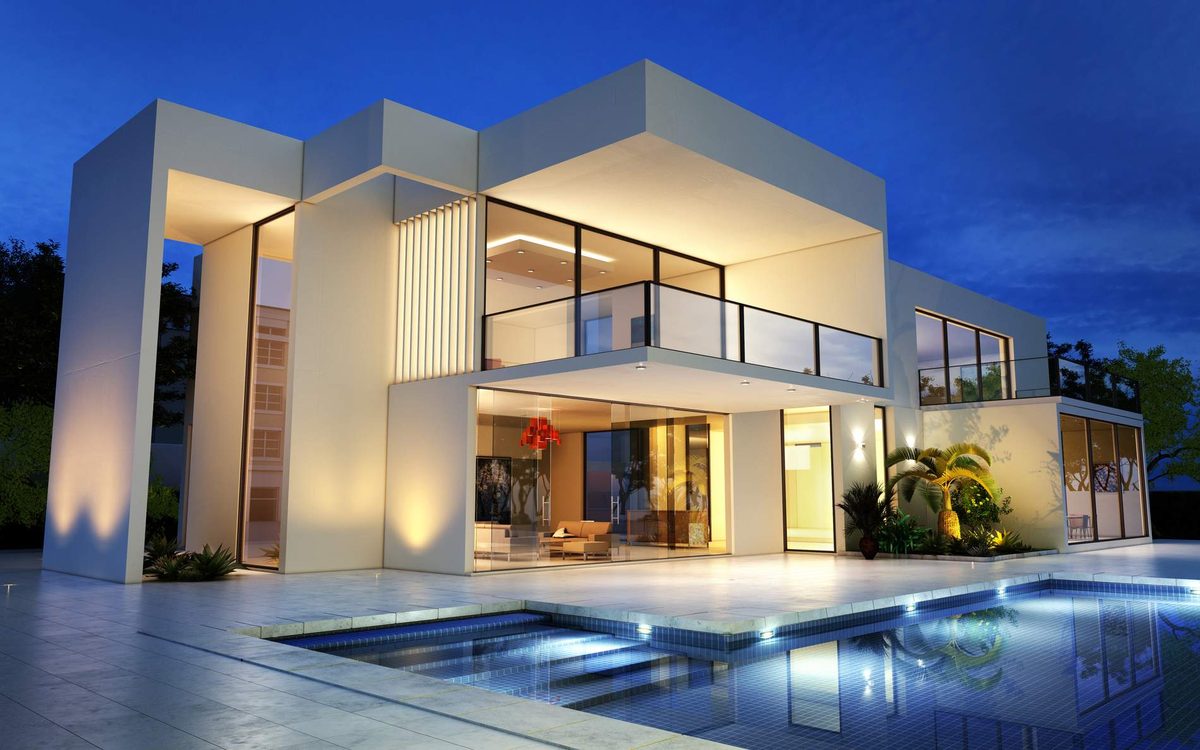
Many Remuera houses sit well back from the street on large sections, among established gardens and big trees. Outdoor lighting makes all that space usable after dark: a lit path to the front door, a driveway you can see, a deck you can sit out on, and planting picked out at night.
Planning light for a big section
The Remuera Heritage society describes the suburb's older streets as houses set well back behind walls, fences and hedges, with established gardens and large trees. That is lovely in daylight and very dark at night. A good outdoor lighting plan starts with what people need to do safely after sunset, such as walking from the car to the door, finding the steps, seeing who is at the gate, and only then turns to the feature lighting that makes a garden worth looking at.
It helps to think in zones. The path and entrance, the driveway, the deck or outdoor room and the garden itself each want different light and different control, so they are usually wired as separate circuits on their own switches, timers or sensors. A zone you use every night can come on at dusk by itself, while the feature lighting on a big tree is something you switch on when friends are over. If the house switchboard is already full, our page on replacing a crowded switchboard explains the options.
Where outdoor light earns its place
Paths and steps
Low, shielded lights along the edge, so every change in level is visible.
Driveways and gates
Enough light to see the edges of a long drive and the gate when you arrive home late.
Decks and outdoor rooms
Dimmable lights for evenings outside, with outdoor sockets for heaters and speakers.
Trees and planting
Uplights at the base of a tree or a bed, aimed so the light lands on leaves rather than in eyes.
Walls, fences and hedges
A soft wash along a boundary wall makes a garden feel larger at night.
Security lighting
Sensor lights over doors and side paths, which work well alongside security cameras and alarms.
Mains or low voltage, and fittings that last
Outdoor lights come in two broad kinds. Mains-voltage fittings are wired back to the switchboard like any other circuit and suit bright, permanent lighting on paths, walls and driveways. Low-voltage systems, usually 12 volts, run from a transformer and are often used for garden spots and uplights, because the fittings are small and easy to move as the planting grows. Both need a properly installed supply: the transformer for a low-voltage system needs a weatherproof outlet or its own circuit.
New outdoor circuits are prescribed electrical work. WorkSafe's material on the risk categories and certification of prescribed electrical work explains how that work is classed and the certificates that go with it, and new fixed wiring outdoors comes with a Certificate of Compliance like wiring inside the house.
The fittings matter as much as the wiring. Outdoor lights need a weatherproof rating that suits where they sit, whether under eaves, on a wall exposed to rain, or in a garden bed that gets watered. Homes on the slopes above Hobson Bay and the Orakei Basin are close to salt air, where marine-grade stainless steel or coated fittings last noticeably longer than cheaper metals.
Light that respects the night
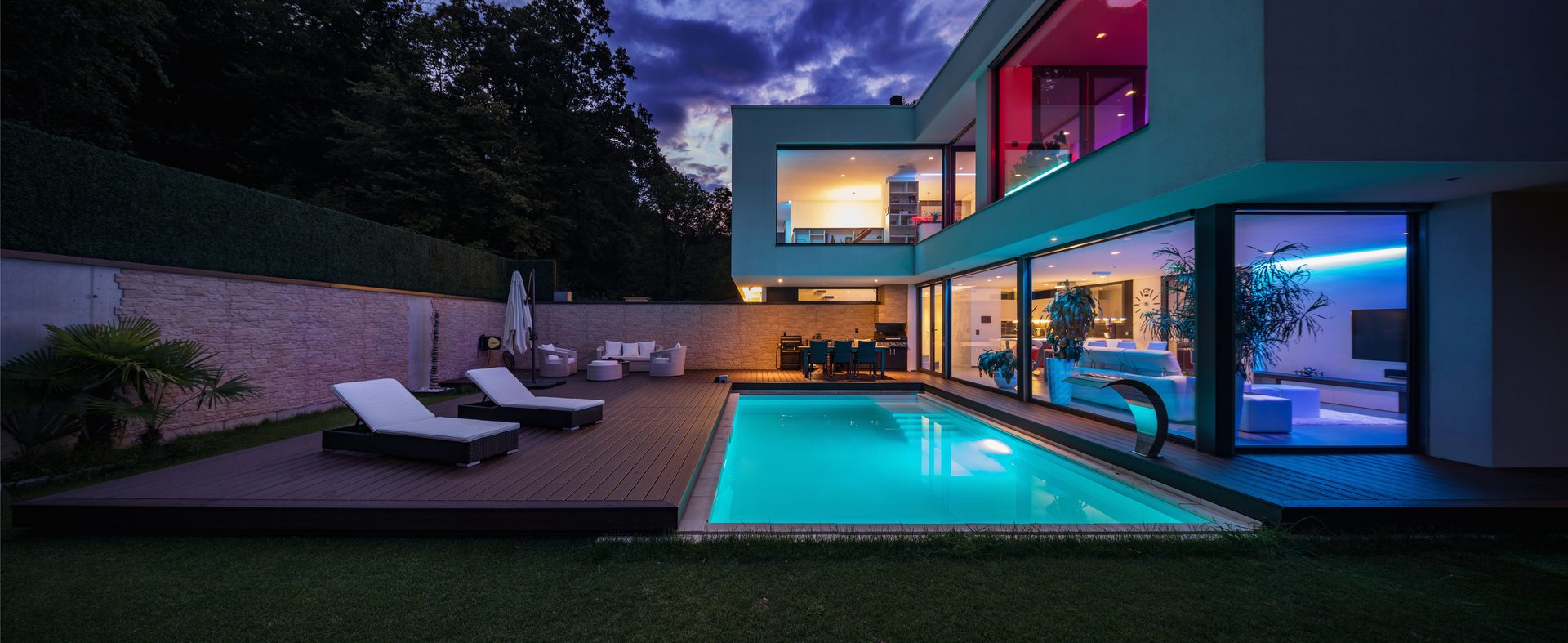
The best garden lighting is felt more than seen. Fittings that point down and are shielded light the path without glaring into a neighbour's bedroom, warm white looks right against timber and planting, and a few well-placed lights usually beat a lot of bright ones. Timers and dusk sensors stop lights burning all night, and outdoor circuits can join the same smart controls as the rest of the house.
A lit garden also makes a house feel lived in when you are away. For entrances and side paths, the same planning carries on into lighting inside the house, so the steps from the front door to the hallway are lit as one.
Outdoor lighting questions
Can garden lights come on by themselves?
Yes. A dusk sensor, a timer or a smart switch can run each zone, so the path lights come on at sunset and go off at a set time.
Can lights be added to an established garden without digging it all up?
Usually. Cable can often follow the edges of paths, beds and lawns, or run under existing paving through a short bore, so the planting is disturbed as little as possible.
Do outdoor power points need anything special?
They should be weatherproof, sited out of the worst of the rain, and protected by an RCD so that a fault cuts the power quickly.
Will outdoor lighting use much power?
LED garden fittings use far less than the halogen spots many gardens used to have, and timers and sensors cut the hours they run.
Is it worth seeing the garden at night before planning?
Yes. A walk around the section in daylight shows where cable can go; a look after dark shows where people actually need light.
Talk to an electrician about your Remuera home
Call 021 156 4005 at any hour, or send us the details of the job and we will get back to you.
Other services
Rewiring Older Homes
New wiring for Remuera's villas, bungalows and Edwardian houses, planned around the ceilings, floors and joinery you want to keep.Switchboard Replacement
Old fuse boards replaced with a modern switchboard that has room for today's circuits, with the inspection arranged.LED & Interior Lighting
LED downlights, dimmers, joinery and wardrobe strips, and feature lights for kitchens, lounges and hallways.Heat Pump Installation
Heat pumps for a single room or a whole house, with the dedicated circuit and switchboard work they need.Home Theatre & TV
Wall-mounted TVs, projector screens, aerials and the power and data points behind a home theatre or media room.Security Cameras & Alarms
Alarm systems and CCTV cameras for homes and premises, placed to watch your property rather than your neighbours'.24/7 Emergency Electrician
Electricians available for call-outs 24 hours a day, 7 days a week, for lost power, tripping circuits and anything burning or sparking.Enquiries
Contact us
Call 021 156 4005, day or night, or tell us about the job below and one of our electricians will get back to you.
021 156 4005- Auckland
- Call-outs around the clock, every day of the week